Keeping your boots dry is important for both comfort and durability. Wet boots can make your feet cold, cause unpleasant odors, and even damage the material over time. Leather, suede, and synthetic boots all react differently to moisture, and improper drying can lead to cracking, shrinking, or mold. Learning how to dry boots in a dryer properly ensures that your boots stay in good shape, last longer, and are always ready to wear. With the right steps, drying boots can be safe, easy, and effective.
Table of Contents
Best Way to Dry Boots
1. Choosing the Right Boot Dryer
Not all boot dryers are the same, and selecting the right one can make a significant difference in drying time and boot care. Convection boot dryers work gently by pulling in room air and pushing it through your boots, making them ideal for delicate materials like leather or suede. They are quiet and safe for daily use.
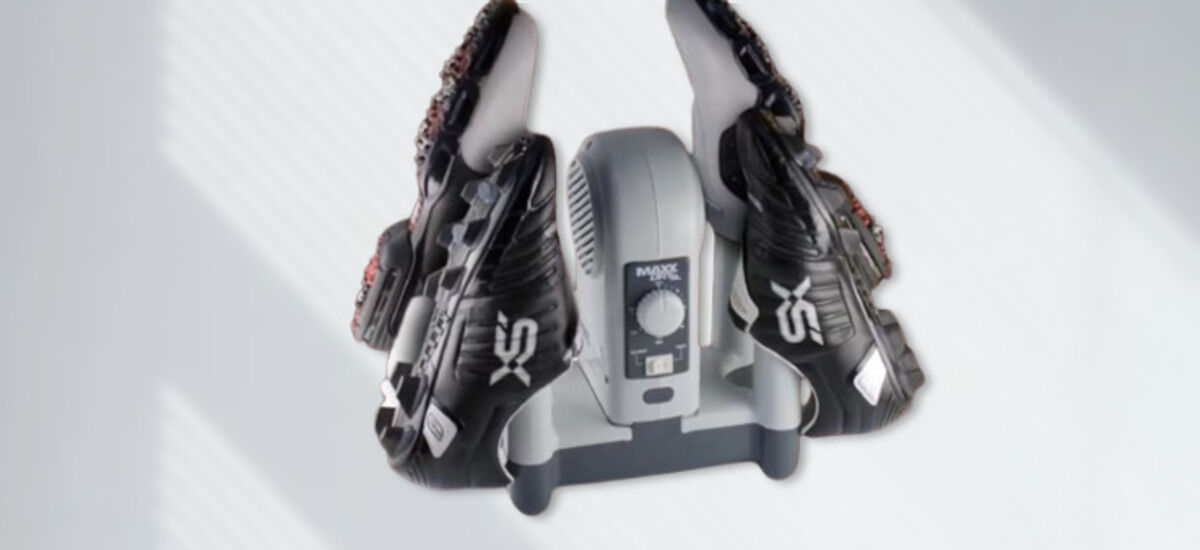
Forced-air boot dryers use a small fan to push warm air quickly inside the boots. While they dry faster, they can be too hot for delicate leather if used improperly. Portable electric boot dryers are compact and convenient, perfect for travel or quick drying. Considering the material of your boots is important, as leather requires gentle drying, while synthetic or rubber boots can usually tolerate warmer air. Choosing the best boot/shoe dryer helps prevent damage and ensures efficient drying.
2. Preparing Your Boots for Drying
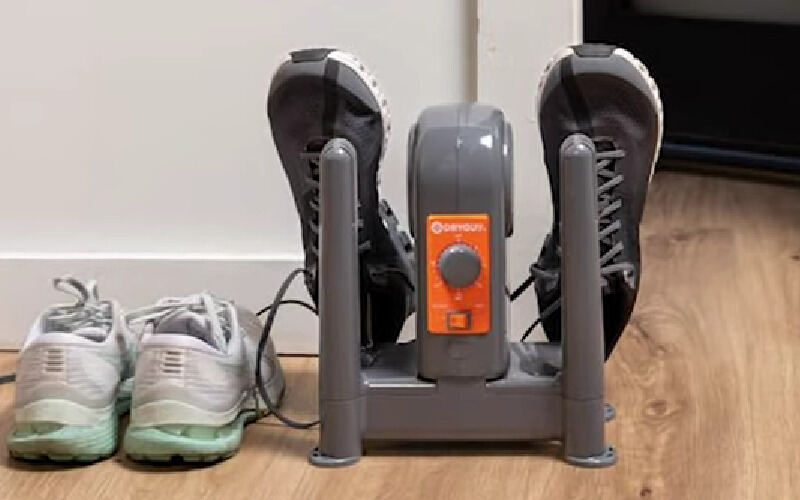
Preparation is key to effective drying. Before placing your boots in the dryer, remove any mud, dirt, or debris to prevent odors or mold growth. Removing insoles and laces is also important. Insoles dry faster when separated from the boots, and taking out the laces allows air to circulate better inside, promoting even drying. These simple steps make the drying process more efficient and protect your boots from long-term damage.
3. Step-by-Step Process
Drying your boots properly protects them from cracks, shrinking, and heat damage. Drying your boots properly starts by placing the boot dryer on a flat and stable surface and plugging it in. Position your boots over the tubes or heating elements, keeping them upright so air can circulate fully. Set the dryer to a low or medium heat setting to avoid damage. Allow the boots to dry for three to six hours, depending on how wet they are, and check occasionally, rotating them if necessary to ensure even drying.
4. Maintaining Boots After Drying
Proper maintenance after drying helps your boots stay in top condition. Avoid placing them near direct heat or sunlight, which can cause cracking or fading. Store boots in a cool, dry place with good airflow to prevent moisture buildup and odors.
Using boot trees can help maintain their shape, especially for leather boots. Leather boots should be cleaned and conditioned regularly to preserve softness and flexibility, while synthetic boots only require a simple wipe-down. By drying your boots properly and following these care tips, they will remain fresh, comfortable, and long-lasting.
How a Boot/Shoe Dryer Works
A boot dryer works by circulating air through the inside of your boots to safely remove moisture. Different dryers use slightly different methods, but the goal is always the same—to dry your boots evenly without causing shrinking, cracking, or heat damage.
Convection boot dryers use a gentle heating element at the base. They pull in cool room air, warm it slightly, and push it upward through the tubes. This warm air slowly rises through the boot, evaporating moisture from the inside. Because the heat is low and steady, convection dryers are very safe for materials like leather and suede.
Forced-air boot dryers work faster because they have a built-in fan that blows warm air directly into the boots. The strong airflow reduces drying time significantly. Most forced-air models allow adjustable heat control to prevent overheating, making them ideal for synthetic or rubber boots and for people who need quick drying.
Some portable electric dryers use PTC heating elements or slim warming rods. These are placed inside the boots and gently warm the interior from the center outward. They’re compact, energy-efficient, and great for travel, though usually slower than bigger dryers.
As warm air moves through the boot, moisture evaporates and escapes from the top. This prevents mold, odor, and moisture buildup. Because the airflow and temperature stay controlled, a boot dryer protects the material, stitching, and overall shape of your boots while restoring them to a dry, comfortable condition.
Conclusion
Drying your boots properly with a boot dryer is one of the easiest ways to keep them clean, comfortable, and long-lasting. By choosing the right type of dryer, preparing your boots correctly, and following safe drying steps, you can prevent cracks, shrinking, mold, and unwanted odors. A good boot dryer not only protects the material but also helps your boots stay in their best shape after every use. With the right care and regular maintenance, your boots will stay dry, fresh, and ready for any weather or activity.
FAQs
Are boot dryers worth it?
Yes, boot dryers are definitely worth it. They help prolong the life of your boots by removing moisture quickly and safely, preventing mold, mildew, and odor-causing bacteria. Wet boots left to air dry can develop unpleasant smells and material damage over time. A good boot dryer also makes your boots ready to wear faster, which is especially useful in rainy or snowy weather. Investing in a quality boot dryer ensures your footwear stays clean, comfortable, and long-lasting.
How long does it take for shoes to dry on a boot dryer?
The drying time depends on the type of boot dryer, the boot material, and how wet the boots are. Convection dryers without fans usually take 6–8 hours for damp boots or 9–12 hours for very wet boots and are ideal for overnight use. Forced-air dryers with fans can dry damp boots in about 1 hour and wet boots in 3 hours. Always follow the manufacturer’s instructions and use timers if available to prevent overdrying, especially for leather or delicate materials.
Can I use a hair dryer to dry boots?
It’s possible but not recommended. Hair dryers generate high heat in a concentrated area, which can overdry leather, warp synthetic materials, or weaken adhesives. Using a hair dryer can shorten the life of your boots. Boot dryers are specifically designed to regulate temperature and distribute air evenly, drying boots safely without damaging the material or shape.
How do you dry boots fast?
The fastest way to dry boots is with a heavy-duty boot dryer that has a fan and forced heat. These dryers can dry damp boots in about 1 hour and very wet boots in 3 hours. Traditional convection dryers take longer—usually 8–12 hours—but are gentle on leather and delicate materials, making them suitable for overnight drying. Removing insoles and loosening laces also speeds up the drying process.
How do you put boots on a boot dryer?
Before placing your boots on the dryer, make sure it is turned off. Adjust any arms or prongs to fit the size and shape of your boots, then position them upright and stable on the dryer. Remove insoles if possible to help them dry faster. Once everything is set, plug in or turn on the dryer according to the manufacturer’s instructions and allow the boots to dry fully before removing them.

Welcome to Homenias, I’m Jaman M, and I’m here to help you discover the best home products. With years of experience, they offer genuine reviews and helpful guides. Their mission is to make your choices easier. It’s organizing your space or finding creative solutions. Explore how the right products can enhance your everyday life. Don’t miss out on finding the best home products to raise your living experience.