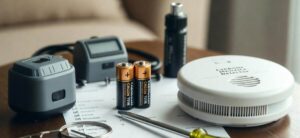
Carbon monoxide (CO) is a silent killer—colorless, odorless, and responsible for hundreds of deaths and thousands of emergency visits every year. With winter heating systems, gas appliances, and portable generators increasing the risk, a reliable carbon monoxide detector isn’t optional—it’s lifesaving.
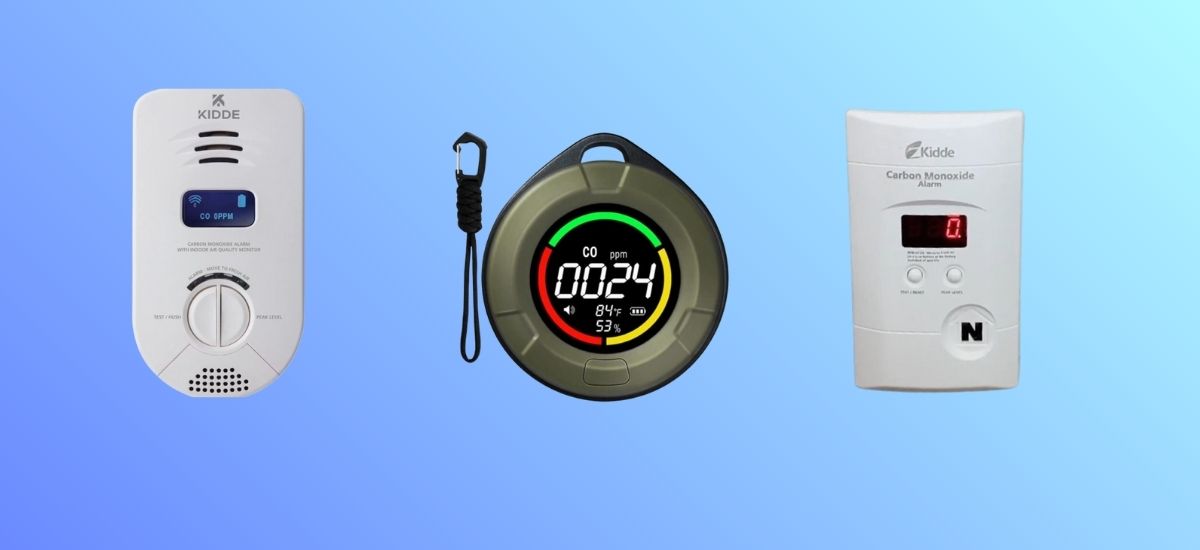
In this guide, we reviewed the most reliable carbon monoxide detectors based on detection accuracy, response time, sensor life, battery performance, and real-world usability. Below, you’ll find our 7 best picks, a clear comparison table, and short pros and cons to help you choose the right CO detector for your home, travel, or whole-house protection.
Table of Contents
Our Top Picks
Kidde Nighthawk (KN-COPP-3)
Everyday home use with real-time CO monitoring
First Alert CO615
Budget-friendly home & apartment safety
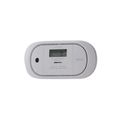
X-Sense Digital(XC01-R)
Standalone rooms needing long-term, low-maintenance protection
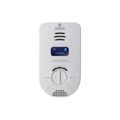
Kidde KN-COP-DP-10YL
Set-and-forget protection in bedrooms or small homes
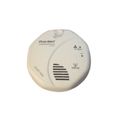
First Alert OneLink CO511B
Whole-house coverage with interconnected alarms
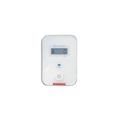
Forensics Travel Detector
Travel, hotels, RVs, and early CO detection
Lunarlipes PTH-10D
Portable use in travel, RVs, and temporary spaces
Quick Products Comparison Table
| Model | Power Source | Sensor Life | Digital Display |
| Kidde Nighthawk | Plug-in + 9V battery backup | 7–10 years | Yes |
| First Alert CO615 | Plug-in + AA battery backup | 7–10 years | Yes |
| X-Sense Digital | Battery (10-year sealed) | 10 years | Yes |
| Kidde KN-COP-DP-10YL | Battery (10-year sealed lithium) | 10 years | Yes |
| First Alert OneLink CO511B | Battery (AA, replaceable) | 7–10 years | No numeric display |
| Forensics Travel Detector | Battery (replaceable / ~1+ year) | 3–5 years (sensor) | Yes |
| Lunarlipes PTH-10D | Rechargeable USB-C | 10 years | Yes |
7 Best Carbon Monoxide Detectors
Kidde Nighthawk Plug‑In CO Detector (KN‑COPP‑3)
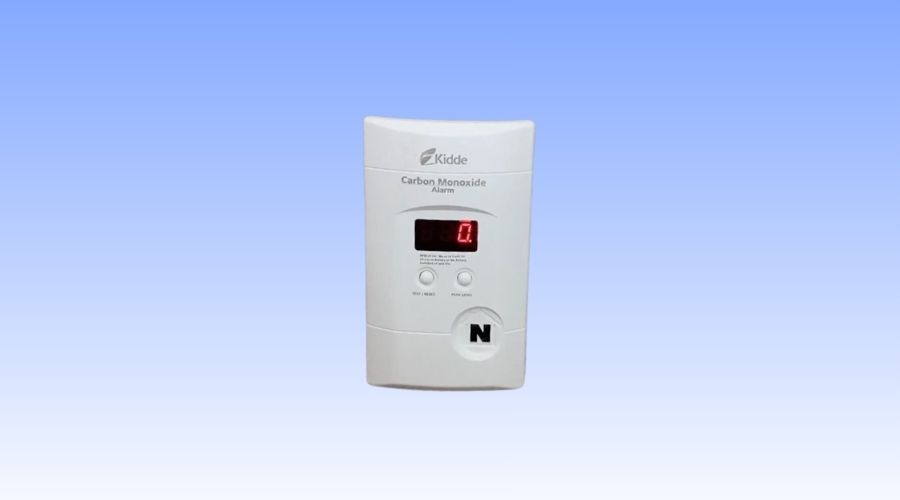
Kidde Nighthawk is a highly reliable plug-in CO detector designed for homeowners who want both accuracy and ease of use. It comes with a digital display that shows real-time carbon monoxide (CO) levels in parts per million (ppm), giving clear visibility of potential danger. The battery backup ensures that the detector works even during power outages, maintaining continuous safety. Its loud 85 dB alarm ensures that you hear alerts from across the room, and the installation is simple — just plug it into a wall outlet.
This model is ideal for bedrooms, living rooms, and main floors. Maintenance is minimal, and the sensor has a typical lifespan of 7–10 years, ensuring long-term home protection.
SPECIFICATIONS
| Power | Plug-in + 9V battery backup |
| Sensor Life | 7-10 years |
| Display | Real-time PPM + Peak Memory |
| Alarm | 85 dB |
| Features | Extension cord flexibility |
| Install | Easy plug-in |
First Alert CO615 Plug‑In CO Detector
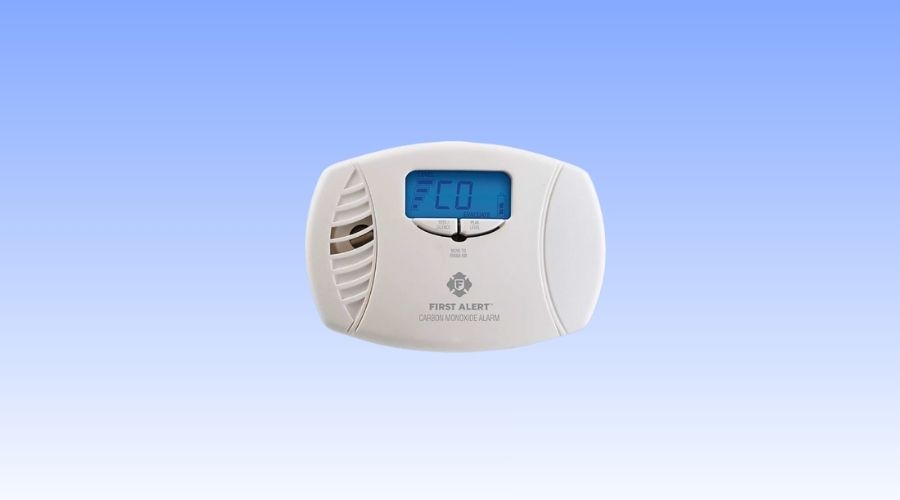
First Alert CO615 is a dual-power plug-in detector offering reliability, affordability, and smart features. The digital display shows current CO levels, while the peak memory feature records the highest CO level detected, helping monitor exposure over time. Its electrochemical sensor provides accurate detection, and the loud 85 dB alarm ensures quick alerts. Installation is easy, making it suitable for apartments, rental homes, or single-family houses. Regular battery checks and replacement are recommended to maintain continuous protection. Its design balances price, features, and reliability, making it a favorite for everyday home safety.
SPECIFICATIONS
| Power | Plug-in + 2 AA battery backup |
| Sensor Life | 7 years |
| Display | Backlit PPM + Peak Memory |
| Alarm | 85 dB |
| Features | Electrochemical sensor |
| Install | Simple plug-in |
X‑Sense Digital CO Detector(XC01-R)
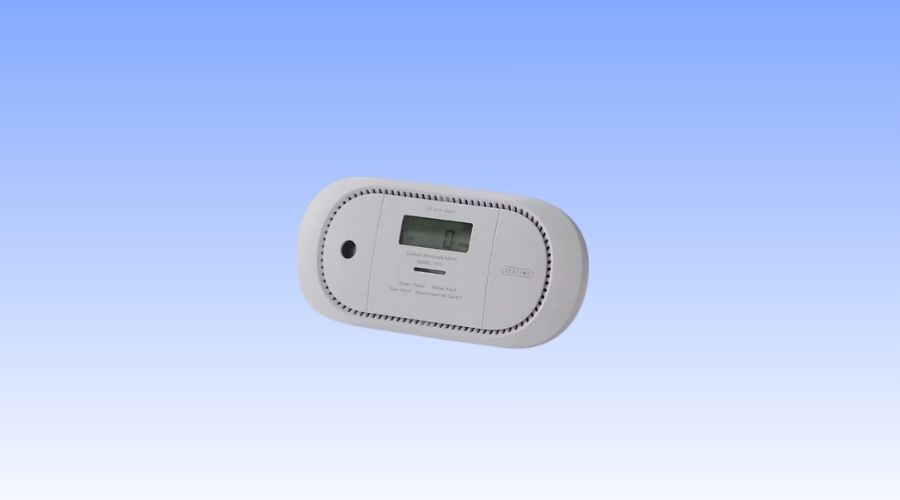
X‑Sense Digital CO Detector is a modern, high-tech CO alarm with a digital display that provides real-time CO readings. It features a 10-year sensor, ensuring long-term reliability. UL certification confirms that it meets safety standards. This detector is simple to install on walls or table surfaces and features a loud 85 dB alarm for immediate alerts. Its design caters to modern households that want both accurate monitoring and visibility of CO levels, offering peace of mind with a professional, durable solution for continuous home safety.
SPECIFICATIONS
| Power | 10 years sealed battery |
| Sensor Life | 10 years |
| Display | Real-time PPM |
| Alarm | 85 dB |
| Features | High-precision sensor |
| Install | Wall or tabletop |
Kidde Smart KN‑COP‑DP‑10YL
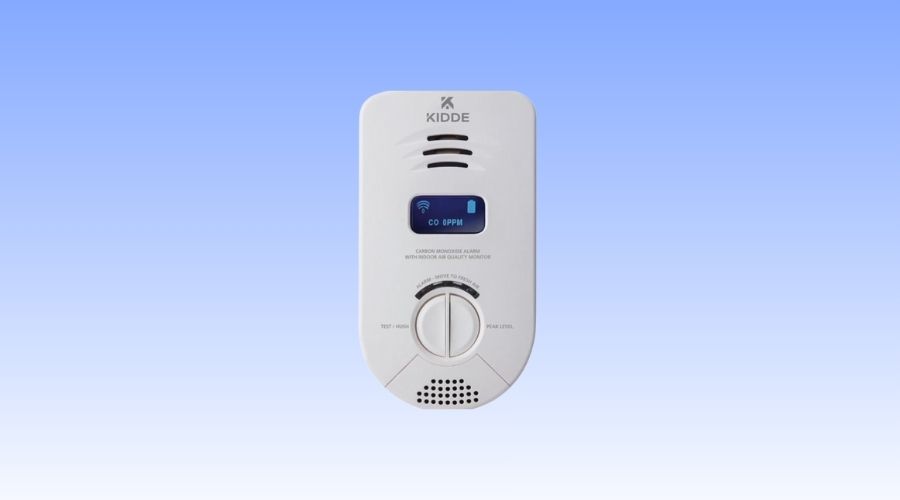
Kidde Smart KN‑COP‑DP‑10YL is a standalone, battery-operated CO detector designed for long-term, low-maintenance protection. The 10-year sensor ensures you don’t have to replace the sensor frequently. It provides accurate CO detection with a clear audible alarm, making it suitable for bedrooms, offices, or smaller apartments. Installation is simple and requires no wiring. Its compact size, combined with durability and reliable performance, makes it a top choice for users seeking a no-fuss CO detector with consistent protection over many years.
SPECIFICATIONS
| Power | Plug-in + 10-year sealed battery |
| Sensor Life | 10 year |
| Display | Digital (auto-dimming) |
| Alarm | 85 dB |
| Features | Worry-free sealed battery |
| Install | Plug-in, no wiring |
First Alert OneLink CO511B
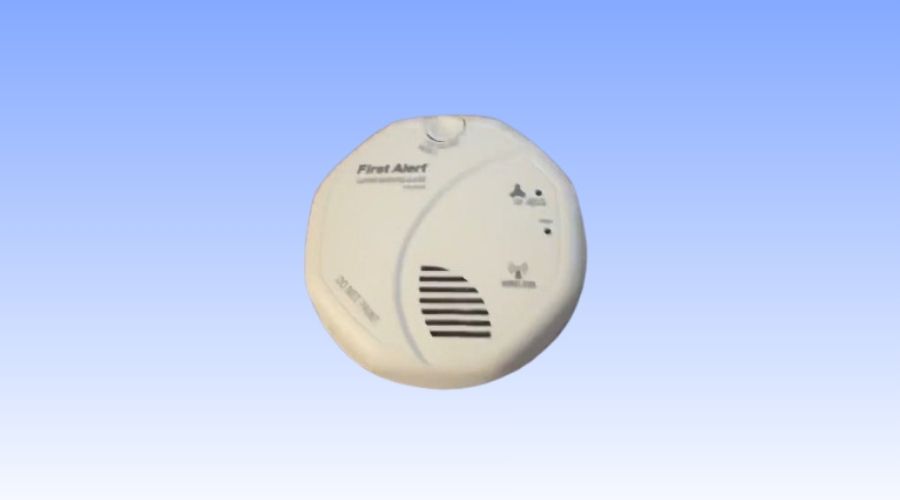
The OneLink CO511B is a battery-powered detector ideal for multi-room or larger homes. Its standout feature is interconnectivity, meaning multiple detectors can be linked so that if CO is detected in one area, all connected alarms will sound. This provides whole-house protection. The detector also has a peak memory function to record the highest CO level detected, allowing homeowners to track potential exposure. Fully battery-operated, it can be installed anywhere without a plug. Recommended placement includes sleeping areas, hallways, and large rooms. Lifespan is approximately 7 years, with periodic battery checks required. This model is perfect for families looking for comprehensive, interconnected home safety.
SPECIFICATIONS
| Power | 2 AA replaceable batteries |
| Sensor Life | 7-10 years |
| Display | No PPM display |
| Alarm | 85 dB + voice alerts |
| Features | Wireless interconnect |
| Install | Wall/ceiling, battery-only |
Forensics Detectors Travel CO Detector
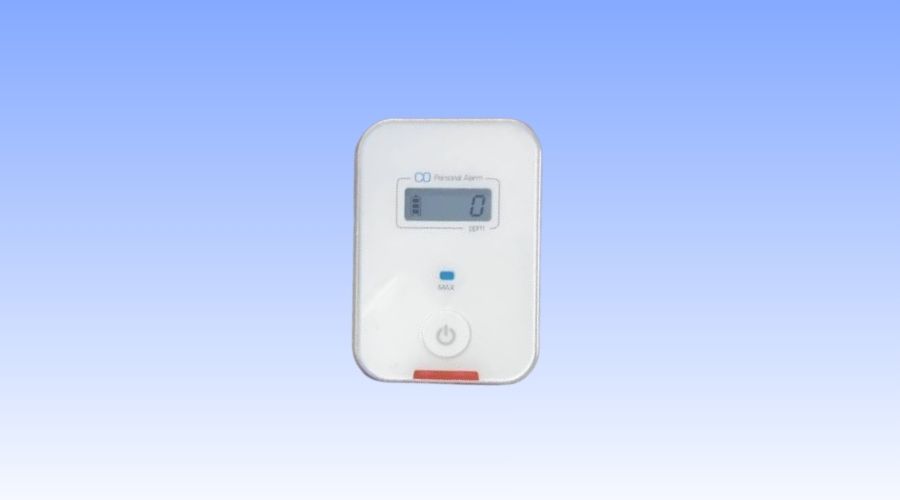
Forensics Travel CO Detector is a professional-grade portable CO alarm designed for travelers, RV owners, and short-term renters. It features a digital display and peak memory to provide real-time CO readings and track the highest detected levels. Lab-tested for accuracy, it ensures reliable protection wherever you are. Its lightweight design allows easy storage in luggage, vehicles, or boats, and the loud alarm guarantees immediate alerts in small or temporary living spaces. This detector is perfect for those who require flexible, portable CO safety without compromising accuracy.
SPECIFICATIONS
| Power | 2 x CR2032 batteries |
| Sensor Life | 3 years |
| Display | Real-time PPM + Peak |
| Alarm | Low-level (from 9 ppm) |
| Features | Ultra-sensitive early alert |
| Install | Fully portable |
Lunarlipes Portable CO Detector PTH‑10D
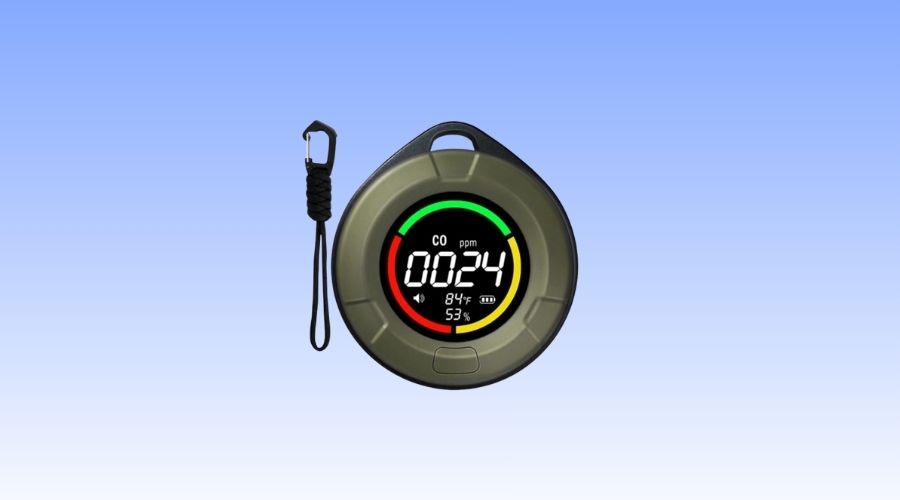
Lunarlipes PTH‑10D is a portable, rechargeable CO detector suitable for travel, RVs, boats, and temporary housing. Its compact design and lightweight body make it easy to carry, while the digital display shows real-time CO levels. The peak memory function records the highest CO level detected, making it perfect for temporary monitoring in multiple environments. The rechargeable battery ensures continuous protection without frequent replacements, and the alarm is loud enough to alert in small spaces. This detector is ideal for people on the move who need portable and reliable CO protection.
SPECIFICATIONS
| Power | 1000mAh Rechargeable USB-C |
| Sensor Life | 10 years |
| Display | PPM + Temp/Humidity + Peak |
| Alarm | Audible + visual |
| Features | 3-in-1 monitoring |
| Install | Portable (magnetic/hang) |
Strategic Considerations for Selecting a Reliable CO Detector
Selecting a carbon monoxide detector is a critical safety decision that requires a focus on technical reliability over simple aesthetics. The primary factor to evaluate is the sensor’s precision; advanced electrochemical sensors are the industry standard, offering the most accurate detection of CO molecules while minimizing interference from other household gases.
Beyond the sensor, you must determine which power architecture best suits your living environment. While plug-in units provide continuous monitoring with battery backups for power outages, the modern 10-year sealed lithium battery models offer a maintenance-free alternative that remains functional even in the most demanding conditions.
Operational transparency is another hallmark of a high-quality detector. Opting for a model with a digital PPM (Parts Per Million) display is highly recommended, as it allows you to monitor low-level CO accumulation that might not yet trigger a full alarm but still poses a long-term health risk. Furthermore, peak memory functions serve as a vital diagnostic tool, recording the highest levels detected in your absence.
Above all, verify that any device you integrate into your home carries a UL or ETL certification, ensuring it has undergone rigorous laboratory testing to meet stringent life-safety standards. Whether you require a standalone unit for a small apartment or an interconnected system for a multi-story residence, prioritizing these technical benchmarks will ensure your environment remains secure.
Conclusion
Choosing the right carbon monoxide detector can literally save lives—and the good news is that reliable options are available for every need and budget.
For most homeowners, the Kidde Nighthawk Plug-In (KN-COPP-3) remains our top recommendation as the best overall choice: it combines real-time digital monitoring, peak memory, battery backup, and proven long-term reliability at a reasonable price.
If you’re looking for maximum convenience with zero maintenance, go with the X-Sense Digital or Kidde KN-COP-DP-10YL—both offer 10-year sealed batteries so you can “set it and forget it.”
For larger homes, the First Alert OneLink CO511B provides essential whole-house interconnected protection with wireless syncing and voice alerts.
Travelers and RV owners should carry a portable model: the Forensics Travel Detector for professional-grade early warning, or the Lunarlipes PTH-10D for rechargeable convenience with added temperature and humidity monitoring.
No matter which you choose, install detectors on every level of your home, test them monthly, and replace them at the end of their lifespan. A small investment today ensures peace of mind for years to come.
FAQs
Where should carbon monoxide detectors be placed?
Install CO detectors on every level of your home, including the basement, and at least one outside each sleeping area. Add extras near garages or fuel-burning appliances. Mount at knee-to-chest height (1–5 feet off the floor); avoid kitchens, bathrooms, or near vents/windows to prevent false alarms.
How many carbon monoxide detectors do I need in my home?
One on every level (including basement) and one outside each sleeping area is the minimum. For a typical 2-3 story home, 3–5 units are usually enough. Check local building codes for exact requirements.
How long do carbon monoxide detectors last and when should they be replaced?
Most last 7–10 years from manufacture date (printed on the unit). Replace the entire detector at expiration—7-year for older models like First Alert CO615, 10-year for sealed ones like X-Sense or Kidde KN-COP-DP-10YL—as sensors lose accuracy over time.
What is the difference between plug-in and battery-powered CO detectors?
Plug-in models (e.g., Kidde Nighthawk, First Alert CO615) use wall outlets with battery backup—great for areas with power sockets. Battery-powered ones (sealed 10-year like X-Sense or replaceable like First Alert OneLink) allow placement anywhere without outlets and are ideal for flexible or hard-to-reach spots.
What should I do if my carbon monoxide detector goes off?
Evacuate everyone immediately to fresh air. Call emergency services from outside and do not re-enter until cleared by professionals. Seek medical help if anyone has symptoms (headache, dizziness, nausea). After the all-clear, have a technician check appliances, heating, or vents for the CO source. Never ignore the alarm.

Welcome to Homenias, I’m Jaman M, and I’m here to help you discover the best home products. With years of experience, they offer genuine reviews and helpful guides. Their mission is to make your choices easier. It’s organizing your space or finding creative solutions. Explore how the right products can enhance your everyday life. Don’t miss out on finding the best home products to raise your living experience.